County Fair Tracks
Many Montana counties maintain racing facilities at their fairgrounds, hosting live racing during annual fair events that draw crowds from surrounding areas.
Seasonal EventsHorse racing holds a special place in Montana's cultural heritage, dating back to the earliest days of territorial settlement. The sport has been intertwined with the state's identity, reflecting the deep connection between Montanans and their horses.
From informal races between ranchers and cowboys to organized events at county fairs, horse racing has evolved alongside Montana itself. The sport has weathered economic changes, regulatory shifts, and social transformations while maintaining its appeal to generations of Big Sky State residents.
Today, horse racing continues as both a beloved tradition and a regulated industry, offering entertainment and economic benefits to communities across Montana.
A look at significant milestones that shaped horse racing in the Big Sky State.
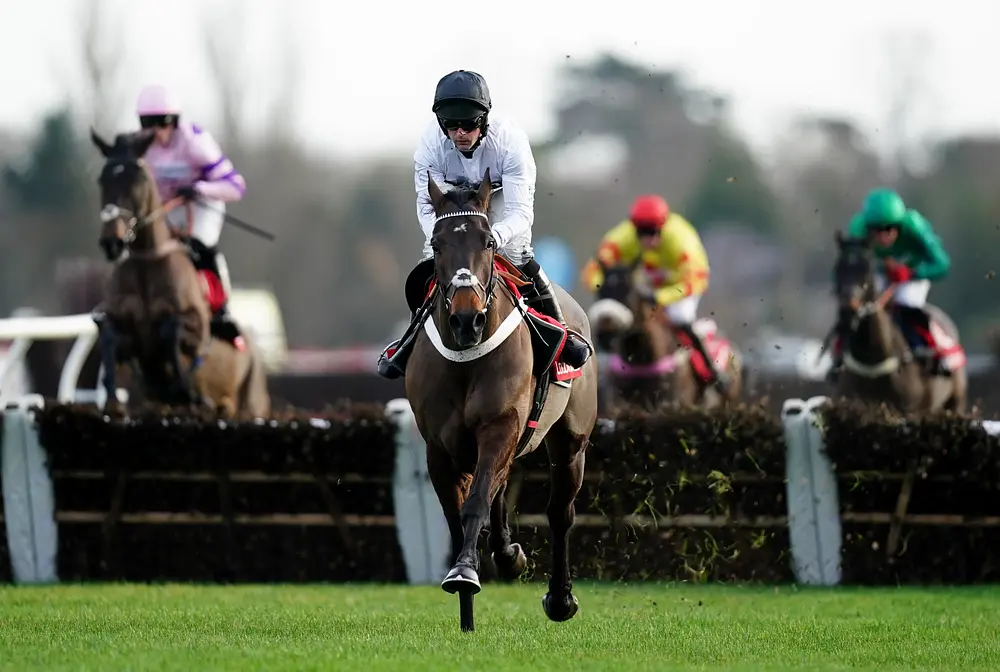
Horse racing in Montana began as informal competitions among settlers, ranchers, and Native American communities. These early races were social events that brought communities together.
As Montana developed, county fairs began incorporating organized horse racing. These events became highlights of the summer season, attracting participants and spectators from across the region.
Montana began establishing formal regulations for horse racing and pari-mutuel wagering, creating a framework that would govern the sport for decades to come.
The establishment of dedicated racing facilities and improved regulations helped professionalize horse racing in Montana while maintaining its community-oriented character.
Montana horse racing combines traditional fair racing with modern simulcast facilities, offering diverse options for racing enthusiasts across the state.
Montana's horse racing takes place primarily at county fairgrounds and regional facilities that host live racing during the summer months. These venues serve as gathering places for communities to celebrate their equestrian heritage.
Many Montana counties maintain racing facilities at their fairgrounds, hosting live racing during annual fair events that draw crowds from surrounding areas.
Seasonal Events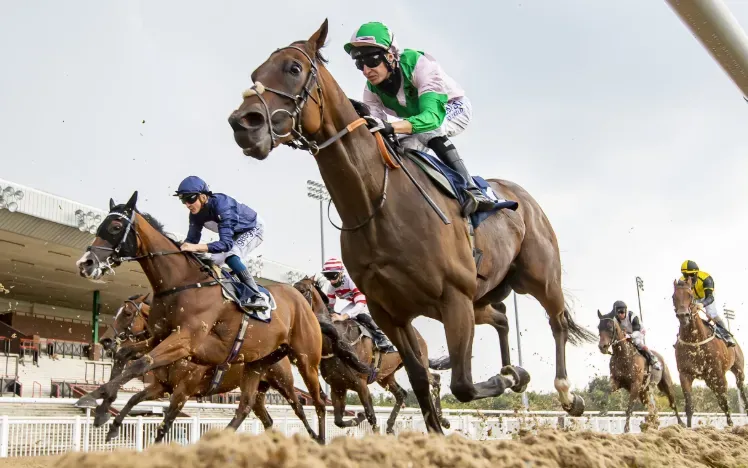
Larger communities have developed dedicated racing facilities that can host multiple race meetings throughout the season and accommodate larger crowds.
Extended Seasons
Modern simulcast facilities allow Montanans to enjoy racing year-round by broadcasting and accepting wagers on races from tracks across the country.
Year-Round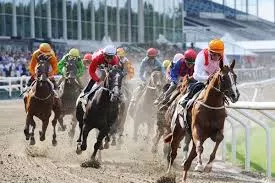
Special racing events and festivals celebrate Montana's equestrian traditions, often featuring both competitive racing and community activities.
Special Events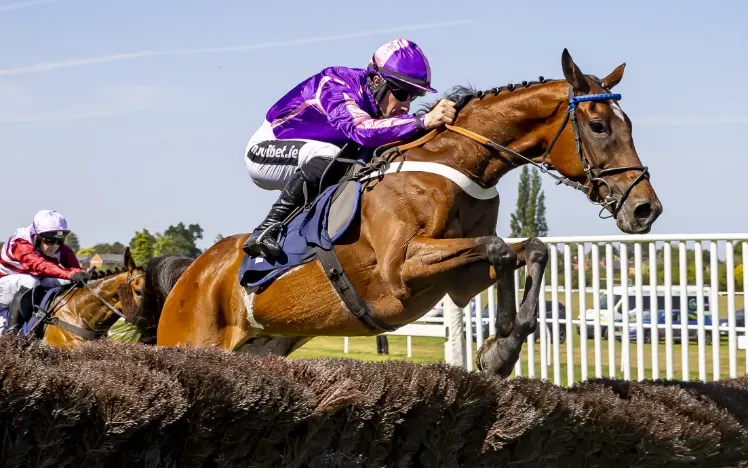
Montana's horse racing season typically runs from late spring through early fall, with the peak occurring during the summer months when county fairs are in full swing.
These seasonal events are more than just races - they're community gatherings that bring together families, horse enthusiasts, and visitors from across the state. The atmosphere combines the excitement of competition with the warmth of Montana hospitality.
Key events throughout the season include:
Horse racing reflects the values and traditions that define the Big Sky State.
Racing events serve as important community gatherings, bringing together neighbors and families to share in the excitement of competition and celebration.
Horse racing connects Montanans to their Western heritage, celebrating the horsemanship skills that have been valued in the region for generations.
Many Montana families have multi-generational connections to horse racing, passing down knowledge, passion, and traditions from parents to children.
Horse racing contributes to local economies through breeding, training, events, and tourism, supporting jobs and businesses throughout the state.
Racing ties into Montana's agricultural identity, with many participants coming from farming and ranching backgrounds where horses remain essential.
Horse racing represents Montana's independent spirit and connection to the land, serving as a source of state pride for residents.